Time is the one resource we all receive equally, yet experience so differently.
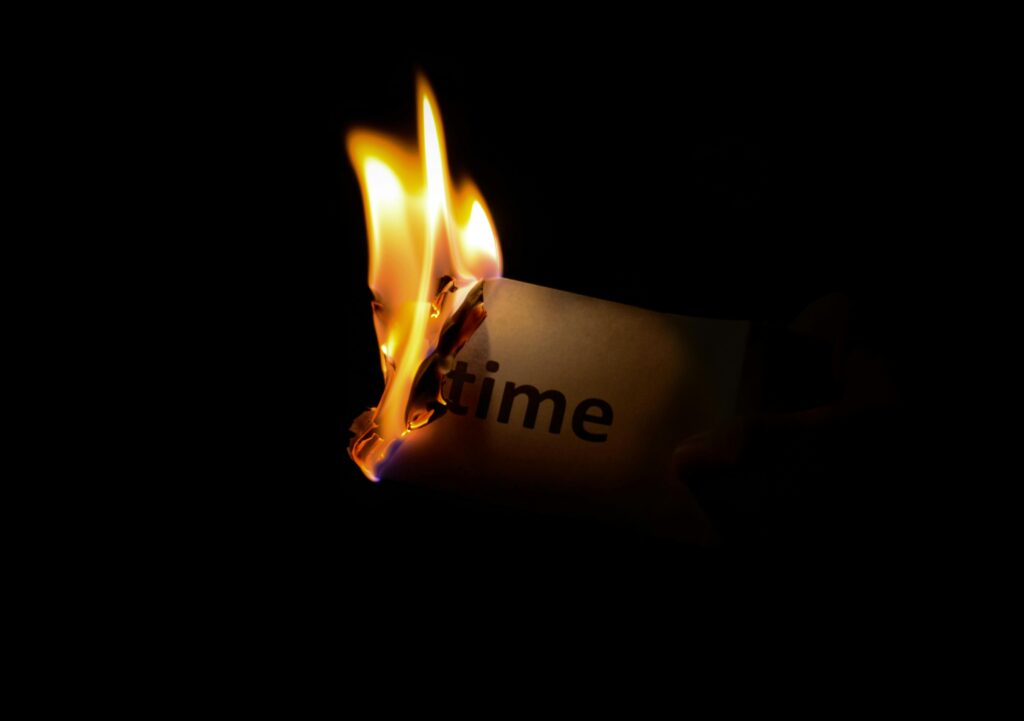
It cannot be saved, borrowed, or replaced. Every moment that passes becomes part of the past, leaving behind only the impact of how it was used. Because of this, time is not only a measure of life, it is life.
Value of Time
We often confuse activity with productivity, with society often pushing us to be constantly busy.
Meaningful use of time, rather than constant business is what gives satisfaction and well-being.
People who align their time with personal values experience greater life fulfilment and lower stress levels.
Time gains value when we use it with intention. When our actions reflect our priorities, time becomes purposeful rather than wasted.
Making the Most of the Present Moment:
One of the greatest challenges is living either in regret of the past or anxiety about the future.
Focusing on the present moment improves concentration, emotional regulation and overall mental health. When we give full attention to what we are doing now, even simple tasks become meaningful. Doing our best does not mean perfection, it means giving honest effort with the time and energy available at the moment.
Planning and Flexibility:
Effective use of time requires planning, but not rigidity. Setting goals, organizing tasks and creating routines help reduce overwhelm and increase efficiency.
At the same time, life is unpredictable; learning to adapt when plans change is an essential skill. Using time well means balancing discipline with flexibility.
Permission to pause
Rest, often seen as unproductive, science proves otherwise. Adequate rest improves memory, creativity, decision making and emotional health.
Burnout on the other hand, is linked to poor time management and chronic stress.
Making the best out of time includes knowing when to pause, reflect and recharge.
Small Choices, Big Change
Time is shaped by small daily choices. Five minutes of reading/ reflection every day creates long-term growth. Similarly, small moments of neglects add up over time.
Research on habit formation shows that consistency matters more than intensity.
How we use time reflects what we value. We cannot control how much time we have but we can control how we use it.
Doing our best with the time at hand, living deliberately. Choosing purpose over pressure, presence over distraction and progress over perfection.
Time is a gift, not a burden.