How we see ourselves — our self-image — is far more than a reflection in a mirror. It’s a living, shifting mental snapshot of who we believe we are. And when that image becomes distorted or overly negative, the impact goes far beyond hurt feelings. It can affect our emotions, our behaviors, our relationships, and even the foundations of our mental health.
What Self-Image Really Is — and Why It Matters
Self-image is a blend of how we view our physical appearance, our personality traits, and the roles we play in daily life. Psychologists describe this as part of our self-concept: not necessarily who we truly are, but who we think we are. When this internal picture is misaligned — when we believe we’re inadequate, unattractive, or unworthy — it directly erodes self-esteem and overall well-being.
Studies show this connection clearly. Among female medical students, researchers found that a negative body image was strongly linked to lower self-esteem, disordered eating behaviors, and a reduced quality of life. This isn’t about vanity — it’s about how deeply our beliefs about our bodies and our worth can shape our mental health.
How the World Around Us Shapes Self-Image
The Influence of Social Media
We no longer form self-image in isolation. Social media sets powerful standards by showcasing curated, filtered, and often unrealistic ideals. Constant exposure to these images can distort how we evaluate our own worth, appearance, and achievements.
A comprehensive review found that physical characteristics — like weight and height — combined with cultural norms, gender expectations, and digital environments can significantly influence self-esteem and psychological wellness. Over time, we internalize these pressures, comparing ourselves to standards that no one actually lives up to.
Cultural and Social Expectations
Beyond social media, cultural messages about beauty, success, and identity also shape our inner world. These messages filter into how we judge ourselves and how we imagine others perceive us.
Self-Schemas: The Stories We Believe About Ourselves
Self-image isn’t only visual. It grows from internal self-schemas — the mental stories and beliefs we carry about who we are. These may include:
- “I’m not good enough.”
- “I always fail.”
- “I don’t belong.”
- “I’m not attractive.”
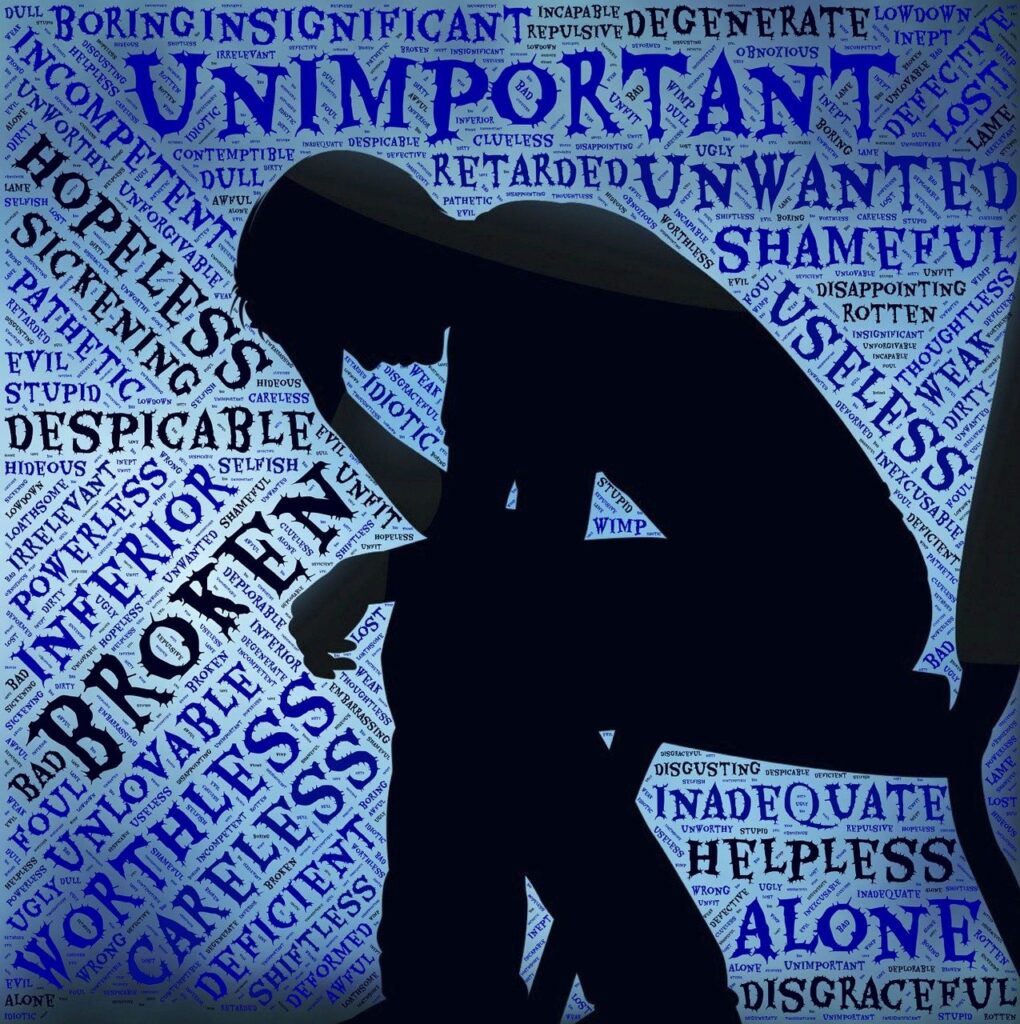
When these schemas turn negative, they destabilize self-esteem, undermine resilience, and increase vulnerability to anxiety, depression, and other mental health challenges. Someone who constantly doubts themselves or internalizes harsh criticism may experience intense emotional strain.
How a Distorted Self-Image Impacts Mental Health
A distorted or overly critical self-image can influence mental health by:
- Lowering self-esteem
- Increasing vulnerability to anxiety and depression
- Fueling body dissatisfaction
- Encouraging unhealthy comparison
- Reducing emotional resilience
- Reinforcing negative thought patterns
- Triggering disordered eating behaviors
When the way we see ourselves becomes rigid or self-critical, our mental health is often the first to suffer.
How to Heal a Distorted or Negative Self-Image
1. Start With Awareness
Begin by noticing the stories you tell yourself.
Ask:
- Which parts of my self-image are kind?
- Which are harsh or unrealistic?
- When did I first start believing these things?
- Whose voice do these beliefs sound like?
Awareness is the first step toward reshaping perception.
2. Challenge the Critical Narratives
Replace auto-pilot self-judgment with curiosity.
Instead of “I’m not enough,” try:
- Why do I believe this?
- Is this thought accurate or just familiar?
- Would I speak this way to someone I love?
Gently questioning negative beliefs helps weaken them over time.
3. Re-Ground Yourself in Reality
Focus on what you are, not just how you look.
Try:
- Writing down your strengths, abilities, and wins — no matter how small
- Paying attention to the qualities others appreciate in you
- Practicing self-compassionate language
- Noticing evidence that contradicts your inner critic
4. Seek Supportive Environments
Whether through community, friendships, or therapy, surround yourself with people who:
- Affirm your worth
- Challenge unhealthy beliefs
- Celebrate your effort, not just results
A supportive environment helps reinforce a healthier, more balanced self-image.
A Final Reminder: Self-Image Can Change
Self-image is not fixed. It evolves as we grow, reflect, and challenge old patterns. With patience, curiosity, and consistent small shifts, you can reshape how you perceive yourself — and in doing so, strengthen your mental health from within.
The way you see yourself matters. And with time, you can learn to see yourself more clearly, more kindly, and more truthfully.